
Shanghai Launches Quantum Computing Hub as Chinese Cities Compete for Industry Leadership
Insider Brief
- Shanghai has launched a quantum computing industrial hub with 26 founding companies, funding programs and subsidies aimed at accelerating commercialization and industry growth.
- The incubation zone will provide up to 100 million yuan for research and innovation, up to 20 million yuan for companies developing first products, and computing subsidies to reduce development costs.
- The initiative supports China’s national quantum strategy as Shanghai competes with quantum hubs in Hefei, Beijing and Shenzhen to build a larger quantum technology ecosystem.
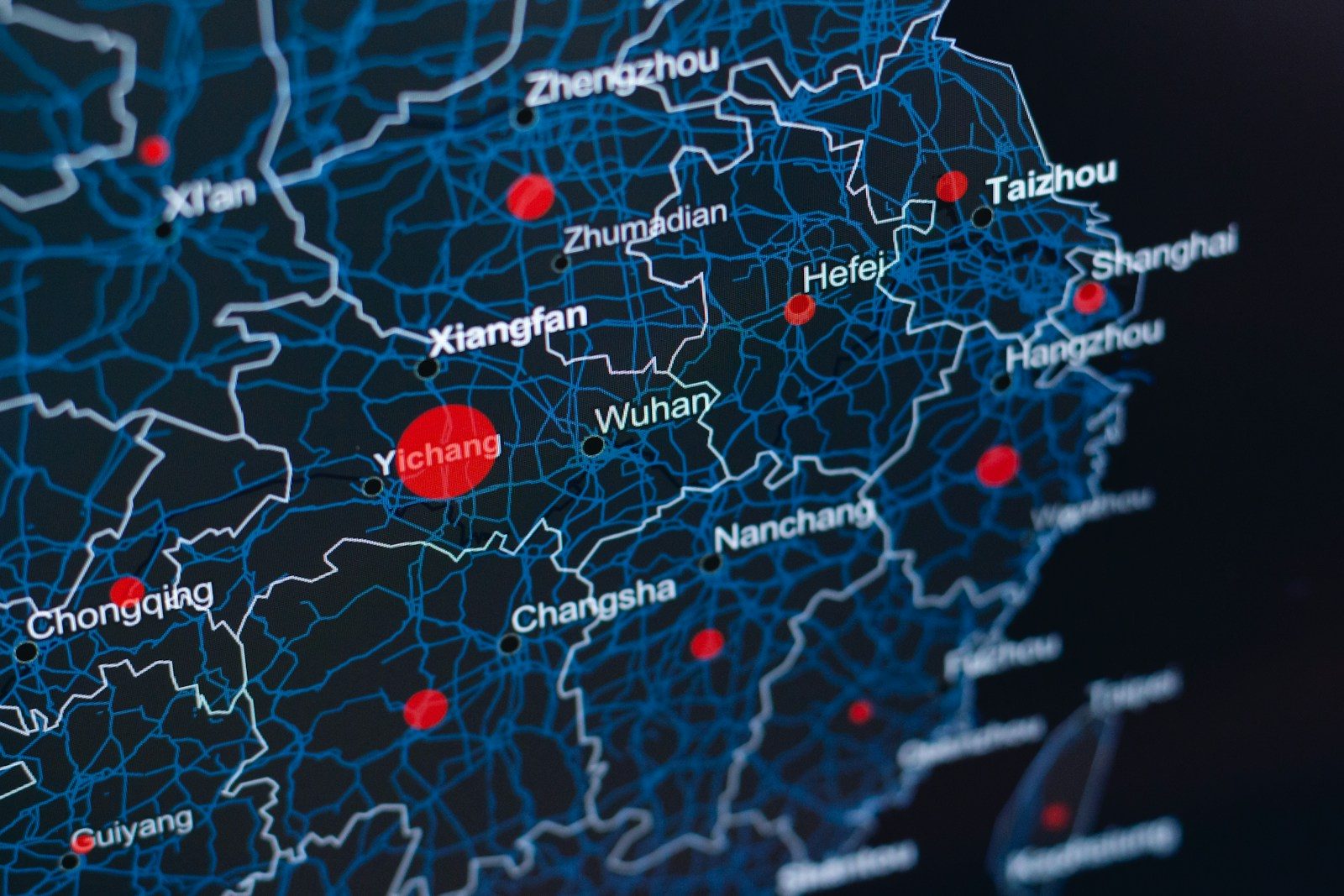
- Image: Photo by KOBU Agency on Unsplash
Shanghai has launched a dedicated quantum computing industrial hub, hoping to incubate hundreds of quantum computing companies as cities across the country compete to become centers for the emerging technology.
The Shanghai Quantum Computing Future Industry Incubation Zone officially opened Tuesday in the city’s Xuhui district with an initial group of 26 quantum companies, according to the South China Morning Post (SCMP), citing state-backed Jiefang Daily. The initiative is designed to bring together start-ups, research institutions and industry partners while providing funding, computing resources and business support to accelerate commercialization.
The new zone reflects China’s broader effort to strengthen its domestic quantum computing industry, an area the country has identified as strategically important for future economic growth and technological competitiveness. Quantum computers exploit the properties of quantum mechanics to solve certain classes of problems that would be impractical for today’s conventional computers, although the technology remains in its early stages.
According to Jiefang Daily, the incubation zone will provide up to 100 million yuan (US$14.73 million) for foundational research, technology innovation and shared platforms. Companies developing their first commercial products can receive up to 20 million yuan in support, while additional subsidies will help reduce the cost of accessing computing resources and validating new technologies.
Building a Quantum Ecosystem
Rather than focusing solely on research, Shanghai aims to develop a complete industrial ecosystem around quantum computing. This might be a nod to efforts in the west to link all the pieces of the quantum computing industry and potential customers together in city and regional hubs.
According to the South China Morning Post, city officials plan to integrate universities, research institutes, start-ups and companies developing practical applications. Areas identified for future use include biomedical research and financial technology, sectors where quantum computing could eventually improve complex simulations and optimization tasks.
Last week, Shanghai-based Taiyi Quantum reportedly raised 300 million yuan, or about $44 million, in a Pre-A funding round.
Officials also see artificial intelligence as a complementary technology with the report indicating Shanghai expects deeper integration between AI and quantum computing to accelerate technology development, create more real-world testing opportunities and help commercialize research more quickly.
That strategy aligns with the strengths already present in Xuhui district, which has become one of Shanghai’s principal AI centers. The district is home to major AI organizations including StepFun AI, the Shanghai Artificial Intelligence Laboratory and Hong Kong-listed MiniMax, creating opportunities for collaboration between researchers working in both fields.
Officials expect the district’s quantum sector to expand rapidly. According to Jiefang Daily, Shanghai aims to increase the number of quantum companies in Xuhui to more than 100 within three years while growing their combined valuation into the hundreds of billions of yuan.
Part of a National Strategy
Shanghai’s announcement comes as quantum technology receives increasing support from China’s central government.
According to the SCMP, quantum technology has been designated a national strategic priority in China’s 15th Five-Year Plan, which covers the period from 2026 through 2030. The plan identifies quantum technologies as part of the country’s broader effort to strengthen advanced manufacturing and emerging industries.
The national emphasis has prompted local governments to establish their own quantum industry clusters, often pairing financial incentives with research institutions and university partnerships.
Beijing introduced a policy in 2023 supporting future-oriented industries, including quantum computing. The capital has also become home to companies such as QBoson, which has explored quantum applications in cancer research and drug discovery, according to the South China Morning Post.
Cities Race for Leadership
Shanghai joins an increasingly competitive landscape among Chinese cities seeking leadership in quantum technology.
Hefei, the capital of Anhui province, has emerged as one of China’s best-established quantum centers. According to the South China Morning Post, the city was home to more than 90 quantum-related companies as of last year, representing roughly one-third of all such companies in China.
Shenzhen has also identified quantum computing as one of eight strategic industries alongside photonic computing, blockchain, spatial technology and neural science. The city recently produced its first quantum unicorn after SpinQ raised a total of 1 billion yuan (US$147.32 million) in its latest funding round, according to the report.