
BII Backs Quantum Chip Diagnostic Startup Diasense With Additional €1.3 Million Investment
Insider Brief
- Copenhagen’s BioInnovation Institute provided Diasense with €1.3 million in follow-on financing, bringing its total investment in the quantum semiconductor diagnostics startup to €1.9 million.
- Diasense is developing a quantum diamond magnetic microscope that detects microscopic chip defects without contact by measuring extremely small magnetic signals generated by electrical activity inside semiconductors.
- The funding coincides with BII expanding its Venture House program, adding startups focused on Parkinson’s disease therapies, livestock vaccines, EV battery recycling, and simulation tools for medical device development.
The BioInnovation Institute (BII) in Copenhagen has provided Danish startup Diasense with an additional €1.3 million in follow-on financing to expand development of its quantum-based diagnostic technology for semiconductor manufacturing, according to a LinkedIn post.
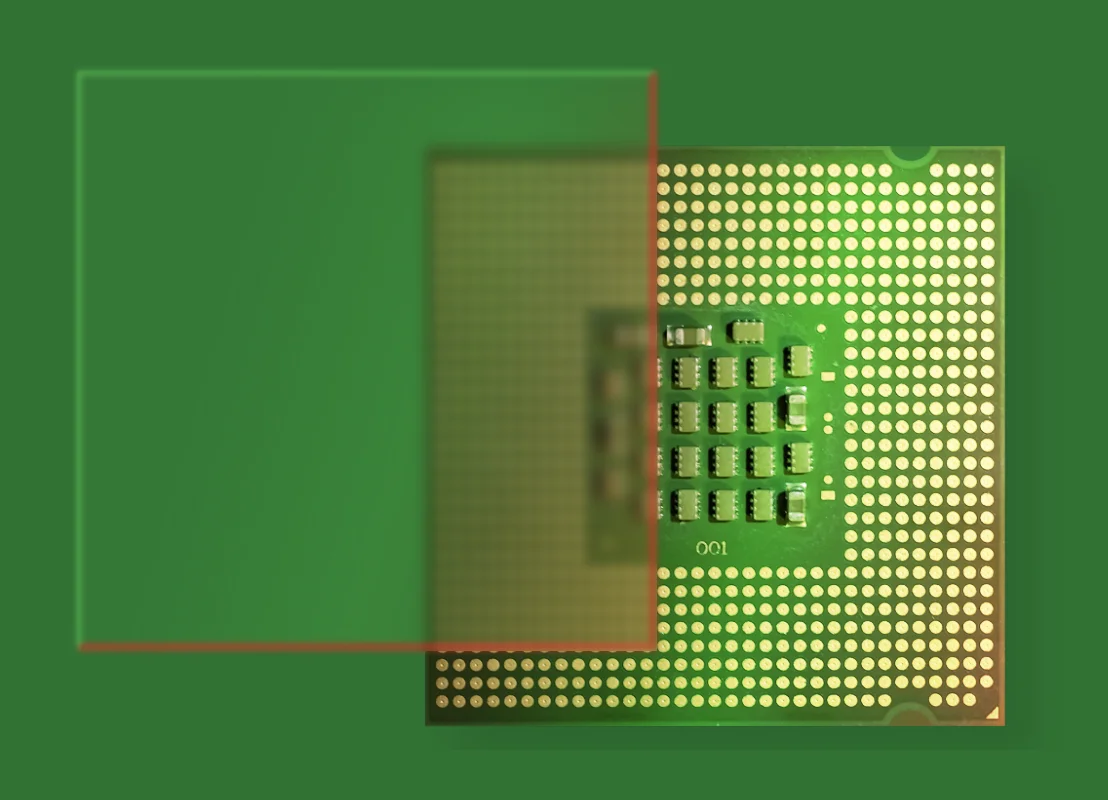
The investment brings BII’s total support for the company to €1.9 million. Diasense, founded in Copenhagen in 2024, is developing a quantum diamond magnetic microscope designed to detect microscopic defects in semiconductor chips without physical contact.
The technology is aimed at a growing challenge in the semiconductor industry: identifying subtle failure mechanisms that can occur during fabrication but remain difficult to detect with conventional inspection tools.
According to BII, the Diasense platform uses diamond-based quantum sensors capable of measuring extremely small magnetic signals generated by electrical activity inside chips. By mapping these signals, the system can reveal defects or irregularities in circuitry that would otherwise remain invisible to traditional techniques.
The approach is intended to provide semiconductor manufacturers with faster diagnostic insight into chip performance and reliability, particularly as device architectures become smaller and more complex.
Diasense’s near-term focus is on scaling the microscope platform and preparing the technology for deployment in high-volume manufacturing environments.:
“BioInnovation Institute’s Venture House gives us the resources to transform a scientific breakthrough into industrial infrastructure,” said Christian Dalsgaard Nielsen, CEO of Diasense, in an email statement. “We are scaling the team and industrializing the technology so our quantum diamond microscope can operate as a practical diagnostic and process-learning tool for advanced semiconductor manufacturing. Turning physics into production capability is essential for bringing quantum sensing into real-world chip development. The program enables us to scale the team and industrialize our quantum sensing technology into a practical.” diagnostic tool for advanced semiconductor manufacturing.
Jakob Svagin, Director of Quantum at BII, explained the rationale behind the continued investment, saying the decision reflects both the strength of Diasense’s technology and the team’s ability to adapt as they move toward commercialization. The representative said:
“We have chosen to continue our support for Diasense for several reasons,” Svagin said. “They are bringing a unique technology to market building on many years of research in one of the leading Danish quantum labs. And they are addressing a need in the rapidly growing market for advanced semiconductors. And lastly but definitvely not least, the team has shown remarkable resilience and adaptability, which are essential characteristics for a strong startup team. The Diasense team has shown their commitment to bringing this new technology to market, by being able to make the necessary changes to both technology and business based on direct customer feedback. This ability to adapt when faced with challenges is an essential trait for any startup team, and Diasense has impressed us in this regard.”
The funding announcement comes as BII expands its Venture House program, which supports early-stage companies working in biotechnology, health, and emerging technology fields.
The institute recently welcomed a new cohort of startups into Venture House 8, , according to the social media post, each receiving €1.3 million in financial support and up to 18 months of additional development time within the program.
The new group spans a range of health and sustainability technologies.
Synuca Therapeutics is the first company funded through BII’s innovation partnership with the Lundbeck Foundation. The startup is working to advance a potential disease-modifying therapy for Parkinson’s disease and related neurological disorders. The funding will support lead optimization and further research into the biological mechanisms underlying the treatment.
Gefjon Pharma is developing a livestock vaccine designed to prevent E. coli infections in poultry. The company says the vaccine could reduce the need for antibiotics in poultry production, an issue that has become increasingly important amid global efforts to limit antimicrobial resistance. The financing will support commercialization and production scale-up.
Another new Venture House company, MicroMiner, is focused on improving the sustainability of electric vehicle batteries. The startup is developing recycling technologies aimed at recovering valuable materials from used batteries, a step that could help reduce supply constraints and environmental impact as EV adoption increases.
DARERL ApS is building a software platform designed to accelerate the development of medical devices through simulation. The company’s SaaS platform provides access to digital anatomical models based on real human bodies, enabling developers to test and refine medical technologies virtually before clinical use.
The addition of these startups comes as BII concludes the Venture House 5 program, which supported companies including Aida Oncology, BioHalo, Cymab, Loma Therapeutics and Visibuilt.
BII, a nonprofit foundation established by the Novo Nordisk Foundation, operates as an early-stage venture builder and investor focused on life science and emerging technology companies across Europe. Its Venture House program provides capital, infrastructure, and mentoring to help early-stage ventures move from research to commercial development.